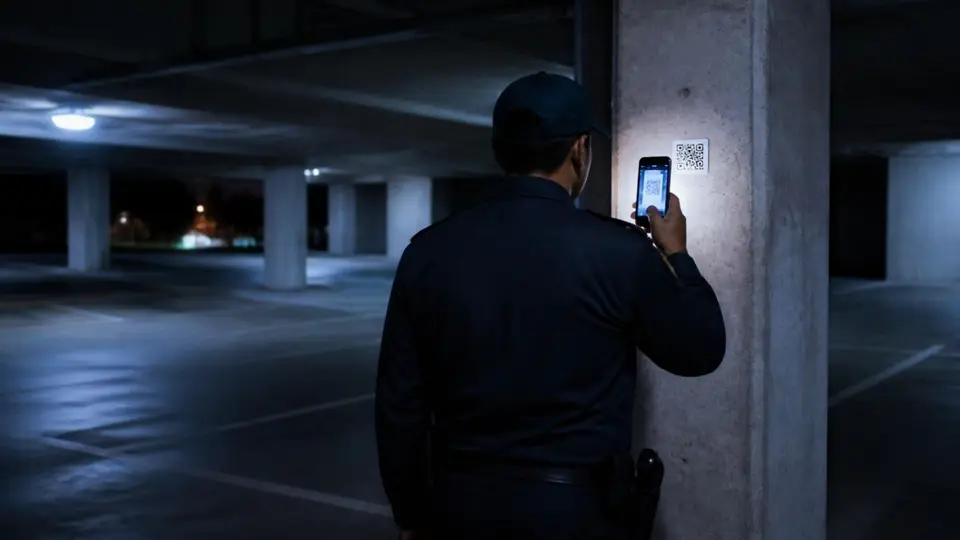
A resident's guest is towed at midnight. The guest had permission: the resident told the concierge that afternoon. The concierge went home, the night guard never heard, and now the building is paying for the tow and an apology.
How good intentions go wrong
Wrong tows and unfair tickets almost always come from the same gap: the person enforcing doesn't have the information the person approving had.
Verbal approvals don't travel
"It's fine, my brother's staying over" said at the desk at 4 p.m. doesn't reach the patrol at 1 a.m. Shift changes erase everything that wasn't written down, and most of it isn't.
Expired, or just late?
A pass that ended at 8:00 and a car leaving at 8:10 is not the same as a car abandoned for a week. Without a clear end time and a reasonable grace period, enforcement is either too harsh or not enforced at all.
Exceptions live in someone's head
The building manager's car, the contractor fixing the elevator, the security supervisor: everyone "knows" they're allowed. Until a new guard doesn't.
No evidence, no defence
When an owner disputes a ticket, the building needs to show what happened: photos, times, the rule broken and what was done before. A handwritten ticket stub rarely does.
One answer per plate, for everyone
In ParkCommand, the patrol types or scans a plate and gets an instant answer: allowed (and why), expired, or unknown. That answer comes from the same records the desk and residents use, so an approval made at 4 p.m. is visible at 1 a.m.
| Before | With ParkCommand |
|---|---|
| Verbal approvals lost at shift change | Approvals recorded in the system, visible to patrol immediately |
| "Expired" vs "a few minutes late" is a judgement call | Exact end time on every pass, plus the building's grace period |
| VIPs and contractors known only by word of mouth | Do-not-tow list and contractor authorizations with time windows |
| Disputed tickets with no evidence | Violations with photos, times, the rule broken and the full history |
| Same car, same problem, every week | Repeat-offender view with escalation steps you define |
Escalation that's fair, and looks fair
Most buildings don't want to tow on the first offence. With escalation steps, the first violation can be a warning, the second a notice to the unit, the third a tow request, and the system tracks which step each plate is on. When the board asks why a car was towed, the answer is in the record, with photos.
The resident's side
Fair enforcement also means residents can see their guests' passes and extend them before they run out. Most "violations" disappear when people can fix them themselves.