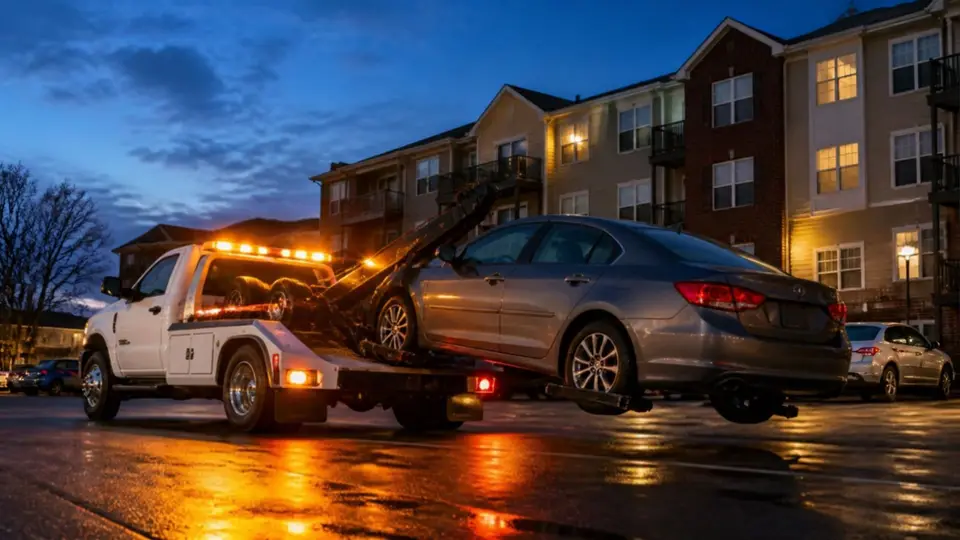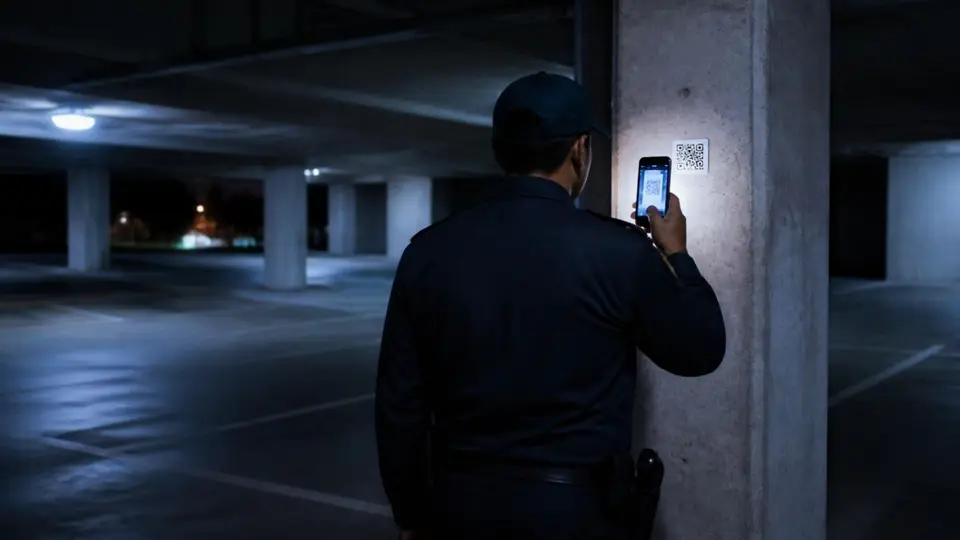
Most buildings still run visitor parking on a stack of paper hang tags at the front desk. It feels simple and costs almost nothing. But walk the visitor level at night and you'll find out what it really costs.
Five ways paper passes fail
1. They get copied
A paper pass is a piece of paper. A colour printer turns one into ten, and the patrol has no way to tell an original from a copy. One resident's "permanent guest" quietly becomes a free monthly spot.
2. They never expire
The pass says "Saturday" in pen. On Tuesday the car is still there, and the pass is still on the dash. Unless someone remembers who handed it out, nobody can prove it ran out.
3. Nobody knows who got one
When a pass goes missing from the binder, there is no record of which unit took it, for which car, or how many that unit has used this month. Fair-use limits exist only on the notice board.
4. They can't be checked
A patrol guard at 2 a.m. sees a faded tag. Is it valid? Which unit? Is the car the same one? Without a phone call to the desk, they're guessing, and guesses lead to wrong tickets or no tickets at all.
5. They cost staff time
Every pass is a conversation at the desk: who are you visiting, let me call them, sign here. Multiply that by every guest, every evening, and the desk spends hours on paperwork instead of security.
What changes with digital passes
With ParkCommand, the guest scans the QR poster in the lobby (or types the building's 6-character Location ID), enters their plate and the unit they're visiting, and the resident approves from their phone. The pass is tied to the plate, not to a piece of paper.
| Before | With ParkCommand |
|---|---|
| Passes photocopied and reused | Each pass belongs to one plate and one time window; a copy proves nothing |
| No expiry anyone can prove | Start and end time on every pass; a plate check shows "expired" the minute it ends |
| No idea which unit used how many | Every pass recorded per unit; monthly limits enforced automatically |
| Patrol guesses at 2 a.m. | Instant plate check on the phone: allowed, expired or unknown, with a grace period |
| Desk time spent on paperwork | Guests and residents do it themselves; the desk only handles exceptions |
"But some guests want paper"
Fair. Every digital pass can be printed as a dashboard permit with a QR code, and the QR code points back to the live record. Paper becomes a convenience, not the source of truth.
Rules that actually apply
Most buildings have visitor rules: no more than a few passes per unit a month, no overnight parking on certain dates, a maximum stay. On paper, those rules depend on the desk remembering. In ParkCommand they're settings: passes per unit per month, overnight limits, blackout dates, lead times and maximum stays, set once per building or per parking area.
Getting started
Switching is mostly a poster: print the building's QR code from the portal, put it in the lobby and at the garage entrance, and tell residents it's how guests ask for parking now. Keep the old binder for a week as a backup; most buildings never open it again.
See all visitor parking features or book a demo with your own building's rules.